Medical treatments
Medical treatments
What a GP can start, what stays private, and what is not a routine NHS treatment at all.
Written in the UK, for women and men.
The NHS names finasteride and minoxidil as the main treatments for male pattern baldness, and minoxidil for female pattern baldness. Women should not use finasteride. Transplants, PRP and most tablets are not routine NHS care for pattern hair loss.
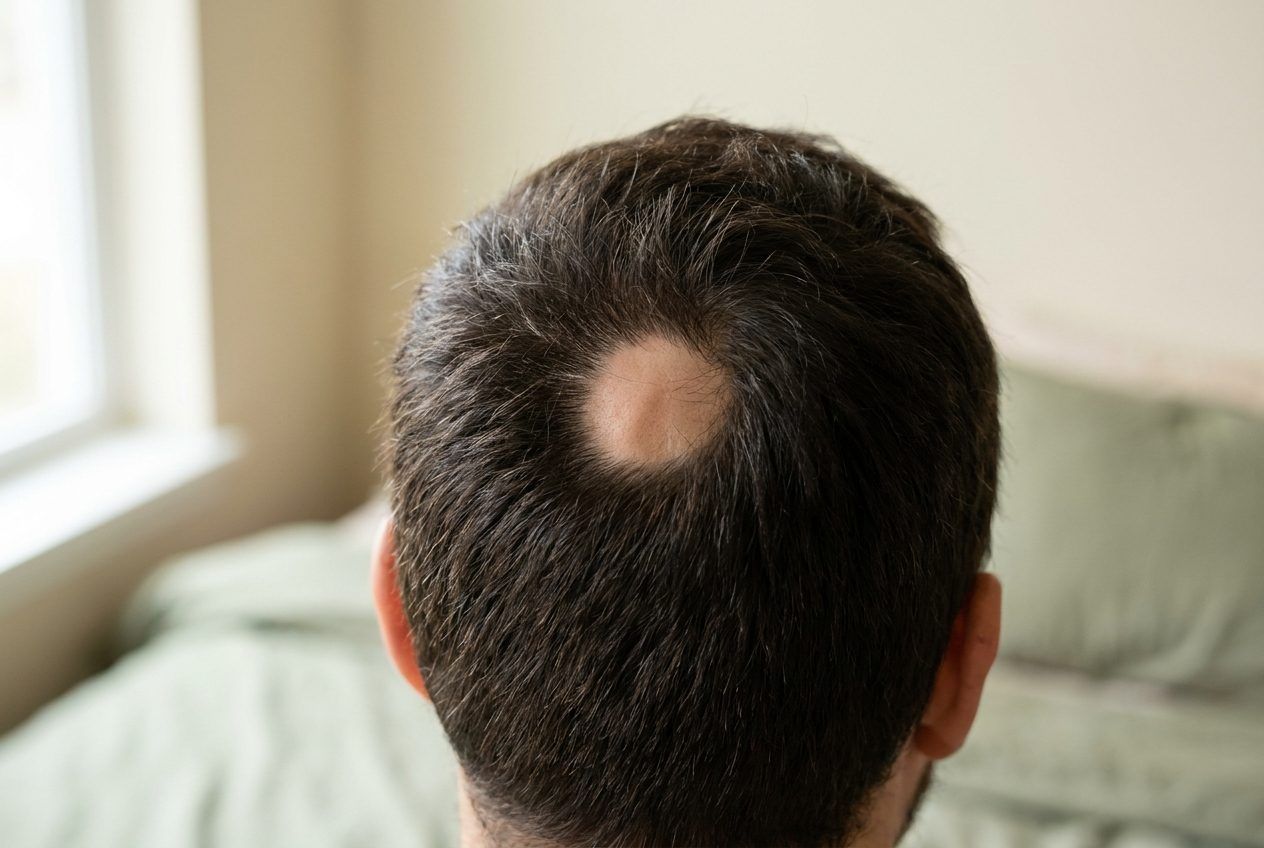
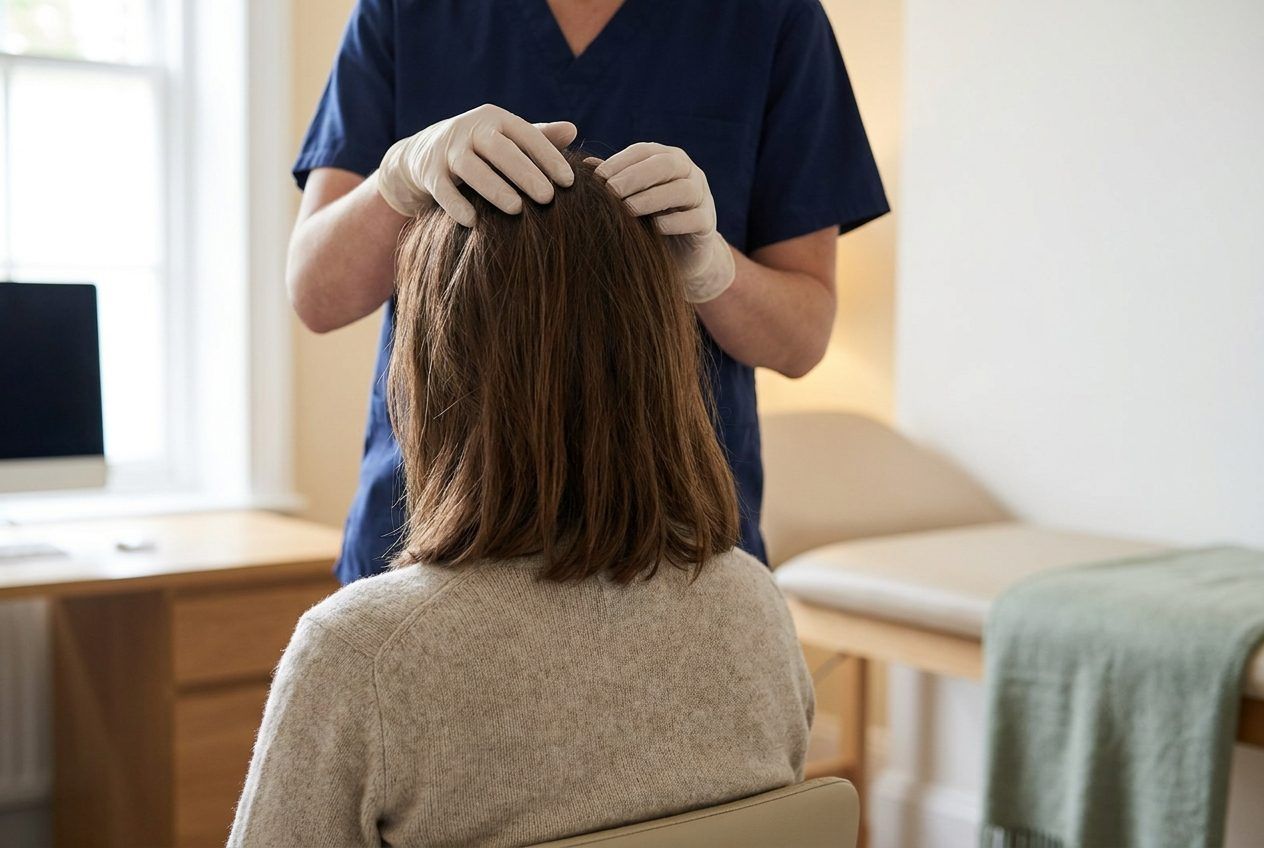
See a GP if hair loss is sudden, patchy, or comes with illness, a rash, or other symptoms. The NHS asks for that conversation before a private clinic.
Medical treatment means a clinician is in the decision. Adverts are not.
What is on the table in the UK?
| Treatment | The short version |
|---|---|
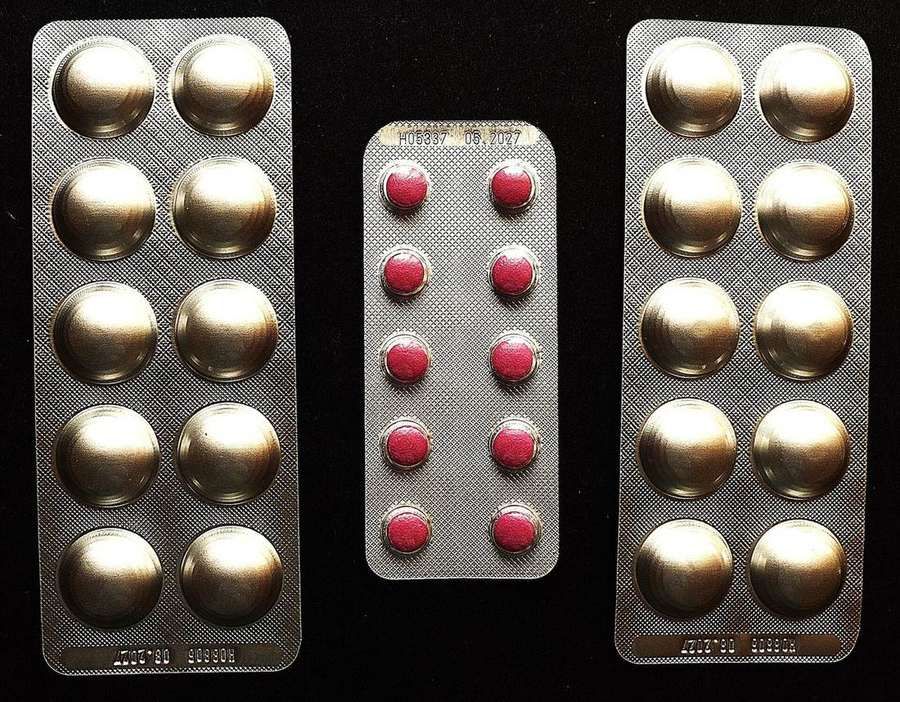
| Finasteride | A tablet for male pattern hair loss. Not for women. Side effects include sexual and mood symptoms. |
| Dutasteride | Licensed for prostate enlargement, not for hair loss. Any hair use is a specialist, off-label conversation. |
| Oral minoxidil | A blood-pressure medicine used off-label for hair. Not a dose to copy from the internet. |
| Spironolactone | The NHS mentions it for excess facial and body hair in PCOS, not as a routine scalp treatment. |
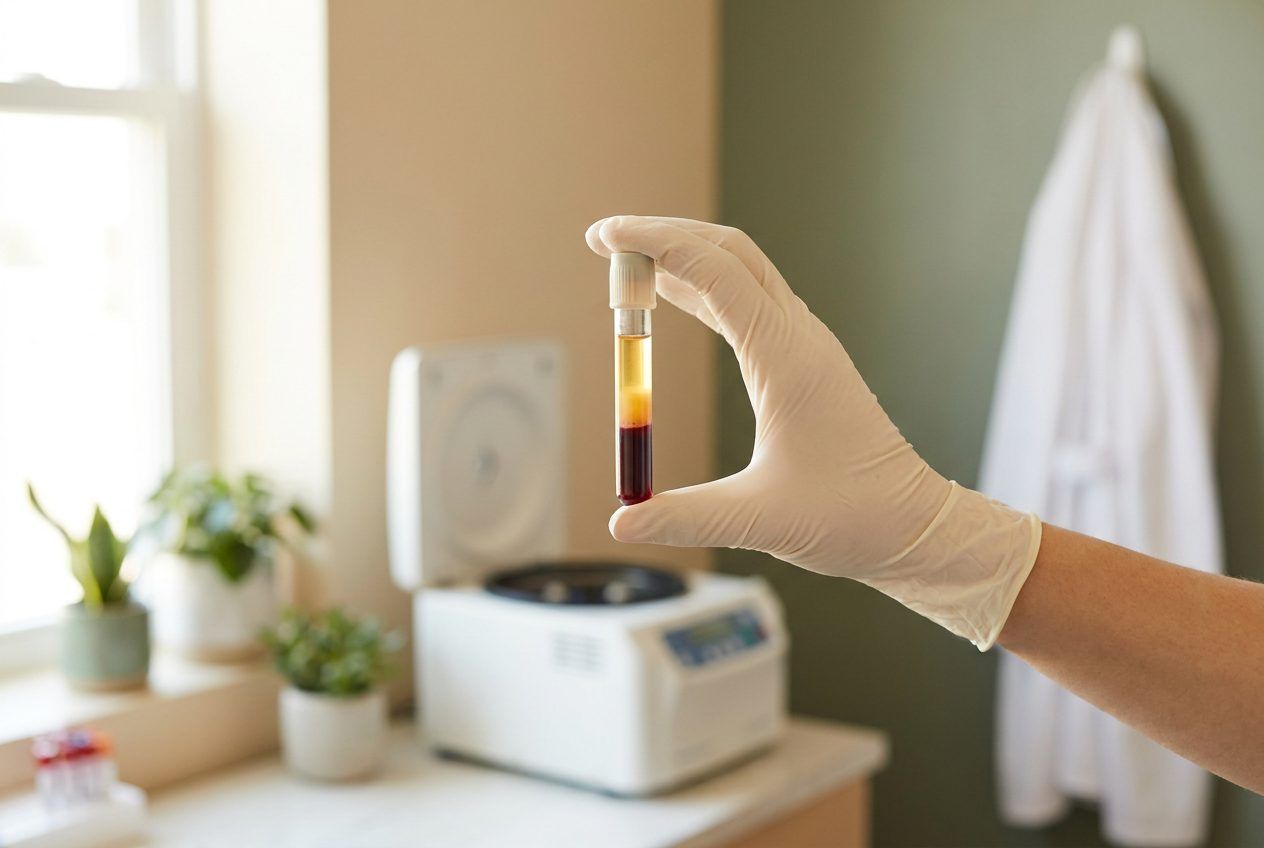
| PRP | Injections of your own plasma. Private. Not routine NHS care for pattern loss. |
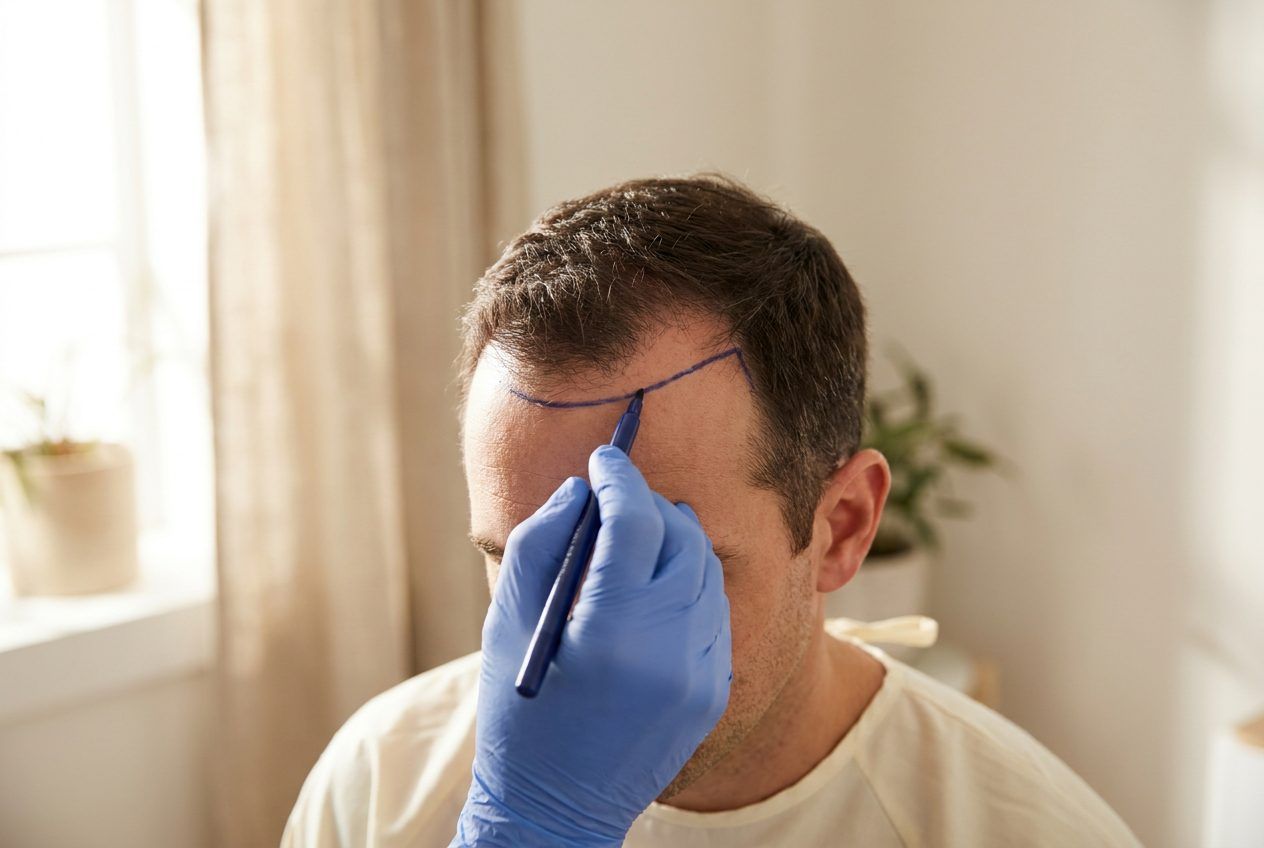
| Hair transplant | Cosmetic surgery. Not funded by the NHS. Not usually suitable for alopecia areata. |
Who does what?
A GP looks, asks, and sometimes orders bloods. A dermatologist is the hospital specialist. A trichologist can be experienced with hair and still not be a medical doctor. The page on GPs, trichologists and dermatologists keeps those titles apart.
For patchy loss, read alopecia areata. That is a different condition, with a different NHS treatment, including ritlecitinib for severe disease in some people.
In this section
-
-

-

-
-
-
Common questions
Can my GP prescribe hair-loss treatment?
A GP can assess you and refer you. NICE CKS says minoxidil and finasteride 1 mg for male pattern hair loss are not usually prescribed in NHS primary care. Many people buy minoxidil, or pay for a private prescription.
Is PRP available on the NHS for pattern hair loss?
It is not a routine NHS treatment for pattern hair loss. Private clinics offer it. See a GP before a commercial clinic.
Who should I see?
Start with a GP. A dermatologist is a specialist doctor. A trichologist is not a doctor unless they are also a doctor.